The dirty secret hiding in your dishwasher (and it's not what you think)
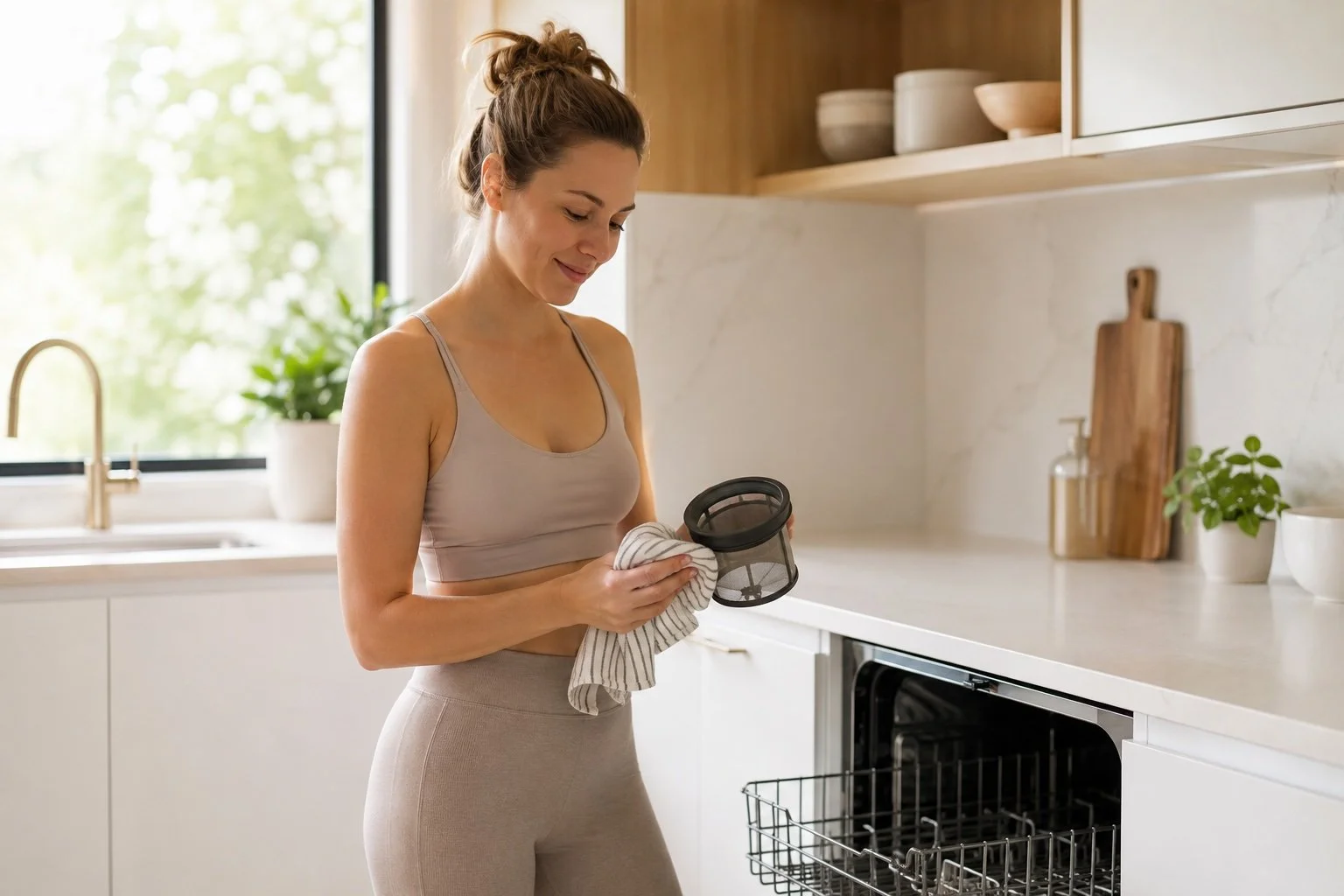
Your house looks clean. No mold, no water stains, nothing that would raise a flag on a home inspection. But there's a good chance a few everyday spots in your kitchen are quietly producing something called endotoxin, and it could be affecting how you feel without you ever connecting the dots.
What are endotoxins, in plain English
Endotoxins are tiny fragments released by a common type of bacteria (called gram negative bacteria) that live almost anywhere there is regular moisture. These bacteria are not necessarily "bad" on their own. The problem happens when they die or divide, which is constantly, and small pieces of their outer structure break off into the water and air around them. When you breathe those fragments in, your immune system reacts fast and hard, since it is wired to treat this fragment as a sign of bacterial invasion. That reaction is where the symptoms come from: inflammation, congestion, fatigue, and in ongoing exposure, reduced lung function over time. You do not need visible mold or a water leak for this to be happening. You just need somewhere in the house that stays consistently damp.
The usual suspects, and why they're so effective at this
Your dishwasher. That gross smell when it starts draining, or the pinkish film building up around the filter, is a classic sign of bacterial biofilm living in the drain and sump area. It is one of the most common offenders in an otherwise clean home, because it is wet almost every single day and rarely gets deep cleaned.
Your dehumidifier. If it runs daily, it is pulling room air across a wet coil into a collection bucket, which is about as ideal a setup for biofilm as you could design. Units without a proper dry cycle are especially prone to this, since the coil never fully dries between runs.

Your dish sponge. Porous, always damp, and packed with food residue. Studies consistently rank kitchen sponges among the most bacteria dense items in an average home.
Your front loading washing machine. If you have one, the rubber door gasket is worth a look. That folded seal traps water and residue after every load, and unlike a top loader, it rarely gets a chance to fully dry out between cycles. A musty smell coming from the drum, especially right when you open the door, is usually the first sign.
Small changes that actually make a difference
You do not need to gut your kitchen. A few consistent habits go a long way:
Clean your dishwasher filter weekly with hot water and a brush. Once a month, pre soak stubborn film in food safe hydrogen peroxide before running an empty hot cycle with a citric acid cleaner.
If you are in the market for a new dehumidifier, look for one with a built in dry cycle, meaning it runs the fan alone for an hour or two after the compressor shuts off to fully dry the coil. Combine that with wiping out the collection bucket daily.
Swap your sponge for something that actually dries between uses. A silicone scrubber or a thin quick drying cloth breaks the constant moisture cycle that a traditional sponge can never escape.
Pick a dish detergent that rinses cleanly rather than one built purely to cut grease. Heavier degreasing formulas can leave more residue behind in your sponge, giving bacteria more to feed on.
If you have a front loading washer, wipe out the door gasket after each load and leave the door cracked open between cycles so it can actually dry. Run an empty hot cycle with a washing machine cleaner monthly.
None of this requires a renovation or a big budget. It just requires knowing where to look.
Some links below are affiliate links, meaning I may earn a small commission at no extra cost to you if you choose to purchase through them.
